Ancestries in Far-Star Victoria
In the Far-Star Victoria system, Humanity is the predominant ancestry on both planets. However, other ancestries have emerged due to genetic alterations, involuntary accidents, or unexplained origins. These non-human ancestries are commonly referred to as "Post-Humans."
By the end of the 21st century, the manipulation of the Human genome reached its peak. It became possible to alter or engineer individuals to possess specific characteristics genetically. This practice became fashionable among those with the political or financial power to access such technologies, leading to a trend where the wealthy sought to transform themselves or their children into Post-Humans. This disparity further accentuated the differences between the rich and the poor in the years leading up to the Third World War. It is speculated that the rise of Post-Humanism among the elite contributed to the onset of the war.
Following the Third World War, negative public sentiment and religious concerns compelled the newly established United Nations of Earth to enact laws against post-humanistic therapies, research, and experiments. Fears of creating a superior master race, along with religious implications surrounding changes to the "sacred" Human genome, fostered resentment against those considered Post-Humans, particularly those who resembled beautiful beings from fantasy.
With the advent of faster-than-light propulsion and the onset of interstellar travel, many groups of Post-Humans chose to emigrate to newly colonized distant planets due to the increasingly hostile environment on Earth. The Post-Human races in the Far-Star Victoria system are descendants of several such groups. Comprising only about 20% of the total population on both planets, Post-Humans are relatively rare compared to baseline Humans. However, some Post-Human races are numerous enough to establish their cities and settlements. Despite this, most Humans have never encountered an Elf or any other Post-Human. Consequently, when traveling through less cosmopolitan areas, Post-Humans often draw attention.
Mutants and Strange Humanoids
Among these Post-Human ancestries, some humanoid races emerge from tragic accidents or unethical experiments, often leading to their classification as mutants, abominations, or monsters. Fetchlings, for example, evolved from the aftermath of a psychic cataclysm, imbued with abilities tied to shadow and darkness; yet society often views them through a lens of fear and misunderstanding. Similarly, Goblins are frequently scorned and viewed with disdain as products of a failed and illegal scientific endeavor. It is noteworthy that Gnomes, descendants of the same ill-fated experiment, enjoy a more favorable status, largely due to their milder appearance and friendly demeanor, raising questions about the biases that dictate societal acceptance.
Adding another layer of complexity, certain sentient species are birthed from the will of enigmatic entities known as Daimones, powerful beings that shape the very fabric of life. These influential deities create races to fulfill specific purposes, often aligned with their grand designs for humanity. Take the Leshys, for instance; they were crafted by The Caretaker, a Daimon who envisions a future where humanity can harmoniously coexist with the planet. These beings, deeply connected to nature, act as guardians of the forests and natural environments, teaching humanity the importance of stewardship and balance. In stark contrast, The Eldest, another influential Daimon, has birthed numerous Fay creatures, instilling them with magical qualities and whimsical traits that challenge the perceptions and values of the world around them. Meanwhile, other Daimones, such as The Judge, have spawned races like Hobgoblins and Ogres, designed to test humanity’s resilience. Often characterized by their aggressive nature and propensity for conflict, these beings are viewed as antagonistic forces, challenging societies to confront their fears and prejudices.
Moreover, it is vital to recognize that despite the multitude of ancestries, many possess low population numbers, often existing in the hundreds or fewer, making them unknowns or myths to the majority of the inhabitants of the planet. Some ancestries may even exist as singular entities, unique in their creation and circumstances. This element of individuality underscores the notion that within these classifications lies a wealth of potential for each being to transcend the stereotypes that confine them. Each being carries a personal narrative, shaped by their origins, experiences, and aspirations, demonstrating remarkable capacities for change and growth.
Ultimately, the diversity found on Far-Star Victoria is as rich as it is complex, and understanding this intricate web of relationships among humanoid ancestries is vital in dispelling the ignorance that often breeds fear and prejudice. Each ancestry, whether regarded with reverence or disdain, contributes to the vibrant mosaic of life on the planet, offering unique perspectives and qualities that enrich the collective experience of all its inhabitants.
The following are ancestries that can be encountered in Far-Star Victoria:
Automaton
Azarketi
Catfolk
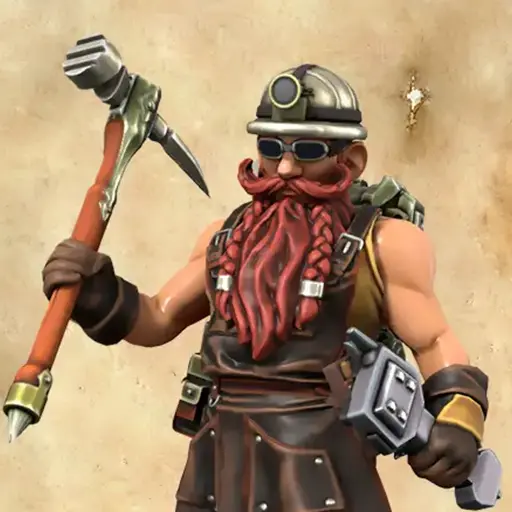
Dwarf
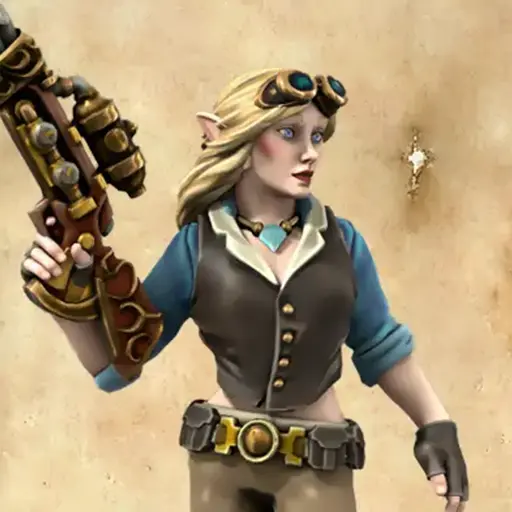
Elf
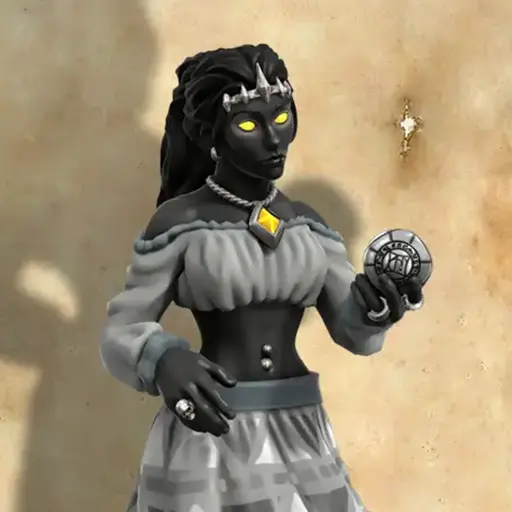
Fetchling
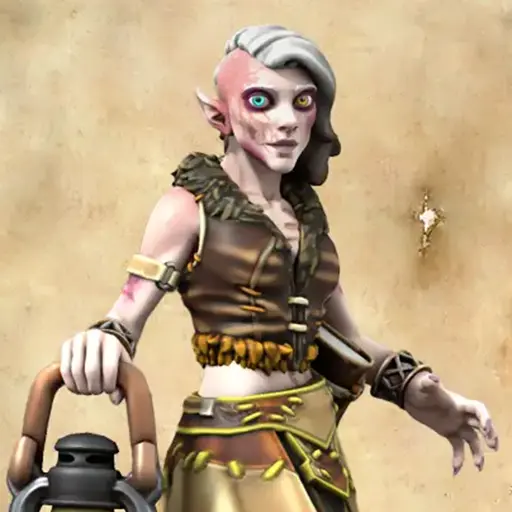
Fleshwarp
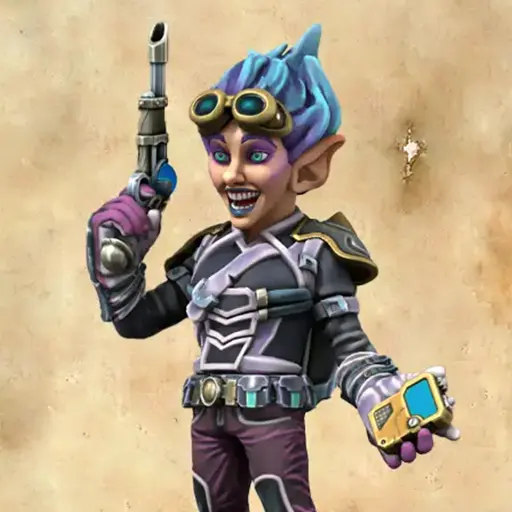
Gnome
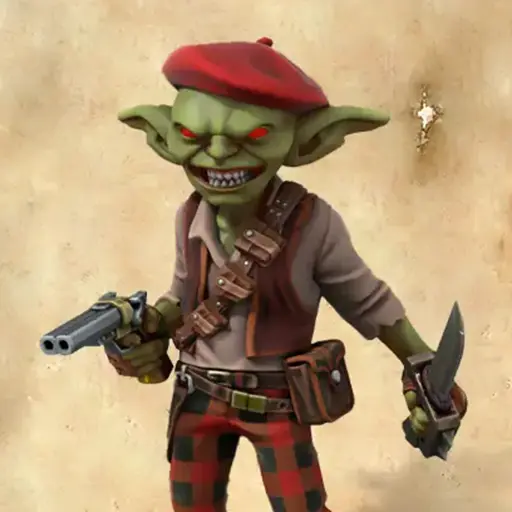
Goblin
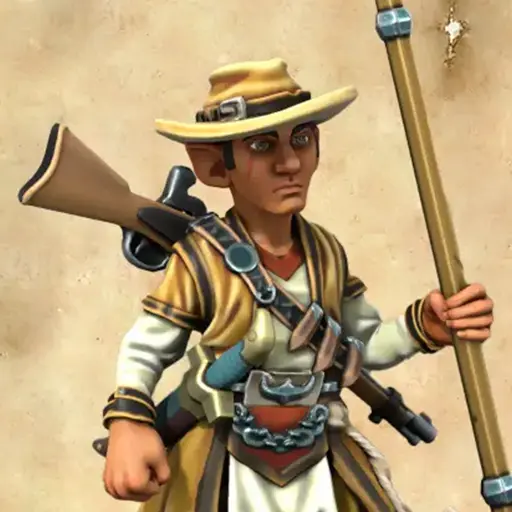
Halfling
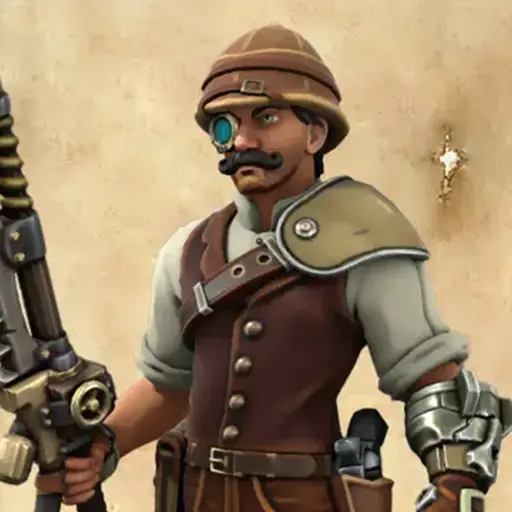
Human
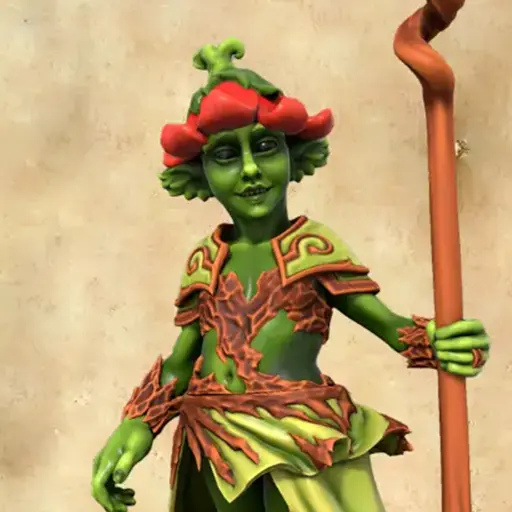
Leshy
The Status of the Ancestries on the planet Erebus
Human
Humans are the clear majority, filling all social strata from Astraea’s executive class to the exploited labor masses. Most possess “heritage” backgrounds—cultural lineages or minor genetic variations. In urban sectors, humans dominate administration, security, and industry. Social mobility is limited, but humans can theoretically climb the hierarchy. Regional “heritage” differences are often used for social sorting.
Elohim / Cavern Elves / Dark Elf
Elves on Erebus are not only fully integrated but thrive at all levels of Astraea Corp, including the very top. Over generations, they have developed a reputation for exceptional ambition, adaptability, and intellect. Unlike their more reclusive or marginalized kin elsewhere, Erebian elves are found in every echelon of corporate life—engineers, scientists, strategists, and, notably, as high-ranking executives and even CEOs.
Cultural Traits:
Erebian elves are renowned for their strategic acumen, discipline, and a culture that prizes cunning, subtle manipulation, and merciless competitiveness. Advancement in Astraea is often achieved not merely by merit or innovation, but also through shrewd alliances, calculated betrayals, and a willingness to exploit rivals’ weaknesses.
In corporate politics, Erebian elves are famous (or infamous) for their intricate webs of influence, secret pacts, and long-term plotting. They are masterful at reading social cues, turning conversations to their advantage, and maintaining outward professionalism while harboring private agendas.
Disputes among elves—whether over promotions, contracts, or policy—are often settled through social maneuvering, subterfuge, and psychological games rather than open confrontation.
Half-Elves:
Half-elves are a prominent and growing demographic, especially among the upper management and professional class. They often inherit the ambition and social insight of their elven parents, combining these traits with human adaptability. Many serve as mediators, facilitators, or ambitious power-players in their own right.
Perception:
Among the general population, elves are respected for their achievements but also regarded with a mixture of awe and suspicion. Stories of elven machinations, sudden corporate purges, and “vanishing rivals” circulate widely. To cross an Erebian elf in business or politics is to invite subtle, relentless opposition.
Dwarf / Duergar
Erebian Dwarves, or as they now call themselves, Duergar, are a large and distinct population on Erebus, engineered and indoctrinated by Astraea Corp as the ultimate subterranean workforce. With ashen skin, pale hair, and eyes adapted for darkness, they are renowned for their stoicism, discipline, and tireless endurance in the mines and industrial tunnels. Fiercely loyal (often by necessity), they form a rigid, insular caste—rarely interacting with other groups except as overseers or technical specialists.
Feared and pitied in equal measure, Duergar’s unwavering allegiance to Astraea makes them both indispensable and resented by others. Secretly, some yearn for freedom, but open dissent is ruthlessly crushed. Their culture is defined by hierarchy, endurance, and a somber pride in their role as Erebus’s iron backbone.
Culture and Society:
Duergar culture revolves around discipline, hierarchy, and collective survival. Loyalty to Astraea is both enforced and internalized—betrayal of the Corporation is seen as a betrayal of the clan. From an early age, Duergar are taught to see themselves as the backbone of Erebus’s survival, simultaneously proud of their role and resigned to its burdens.
They live in regimented dormitories, often separate from other ancestries, and rarely interact socially with outsiders except when ordered. Family ties exist but are often subsumed by allegiance to work units or labor guilds. Their legends and songs, rarely shared with outsiders, speak of endurance, lost freedom, and the cold beauty of the deep earth.
Abilities and Reputation:
Duergar possess a reputation for tireless labor, mechanical genius, and absolute reliability. They are the preferred workforce for hazardous mining operations, reactor maintenance, and the repair of ancient machines. Some are trained as security specialists, using their knowledge of tunnels and traps to defend key installations.
Their loyalty is legendary, but it is a loyalty conditioned by necessity and lack of alternatives. Dissent is rare but punished with terrifying swiftness—traitors disappear without a trace, and rumors abound of secret “reeducation” chambers deep below the main tunnels.
Relations with Others:
To most Erebians, Duergar are both respected and pitied—seen as stoic and efficient, but also as prisoners of their own conditioning. Other laborers may resent the Duergar’s loyalty, blaming them for enabling Astraea’s oppression. Elves and halflings often see them as useful but untrustworthy, wary of their potential as enforcers and informants.
Notable Features:
- Indoctrinated Loyalty: Duergar rarely rebel; their sense of duty is enforced by both culture and surveillance.
- Isolation: Most live and die in the depths, rarely seeing the surface or interacting with outsiders.
- Hidden Depths: Despite outward obedience, some Duergar quietly remember tales of rebellion and hope for a day when their chains might be broken.
Gnome
Rare. The gnome population is very limited, as most gnomes are native to Elysium. On Erebus, they are typically descendants of early scientific outcasts or recent arrivals. Gnomes are distrusted as eccentrics or potential subversives. Some are tolerated for their technical skills but kept under close watch.
Social Role: Often relegated to low-status technical work or forced into servitude.
Goblin
Very rare. Goblins are generally not native to Erebus, and few exist outside of a handful of marginalized or criminal communities. The Astraea regime regards them as troublemakers, and most goblins are forced into the lowest social strata or criminal underworlds.
Halfling / Twilight Halflings / Mazzikin
Halflings are a sizable and highly visible minority on Erebus, with their numbers and influence far greater than on Elysium. These Halflings fully embrace their “Mazzikin” heritage—descendants of post-human military and espionage projects from Old Earth. The Astraea Corporation deliberately imported and cultivated their population for use as elite operatives.
Social Role:
Halflings are prized for their skills in infiltration, intelligence gathering, covert operations, and sabotage. Many serve in Astraea’s security forces, Internal Security Division, or as corporate spies and assassins. Their abilities for stealth, subterfuge, and loyalty make them both an asset and a source of widespread fear and suspicion among the general population and other social groups.
They tend to form tightly-knit, insular communities, fiercely protective of their own and maintaining a distinct, often intimidating subculture. Most are more ruthless and pragmatic than their Elysian kin, reflecting the harsh realities and expectations of Erebus.
Perception:
Halflings are both respected and feared. Their reputation for cunning, efficiency, and a willingness to do whatever it takes—including acts of brutality—means that few dare cross them. Many Erebians believe that “there’s always a Mazzikin watching,” and rumors abound of their involvement in shadowy affairs and political purges.
Pathfinder 2e Heritage:
Most Erebus halflings would be considered “Twilight Halflings”—experts in stealth, deception, and operating in darkness.
Fetchling
Very rare. Fetchlings are few and generally arrive only as clandestine travelers or escaped experimental subjects. Their shadowy powers are regarded with deep suspicion by both Astraea authorities and the general populace.
Social Role: Likely to be persecuted, studied, or forced underground.
Leshy
Non-existent. The harsh, dry environment and lack of native flora mean leshies do not arise naturally on Erebus, and none are known to live there unless as rare, imported specimens for research by Vitatech or Astraea (which would be kept in biosecure labs).
Fleshwarp
Common among the lower classes. Most fleshwarps are the result of Vitatech’s experiments, failed enhancements, or exposure to hazardous conditions (radiation, toxins). They are stigmatized, often forced into menial or hazardous work, and denied rights.
Social Role: A visible minority, living at the margins of society or in hidden communities. Some serve as “shock troops” or experimental subjects.
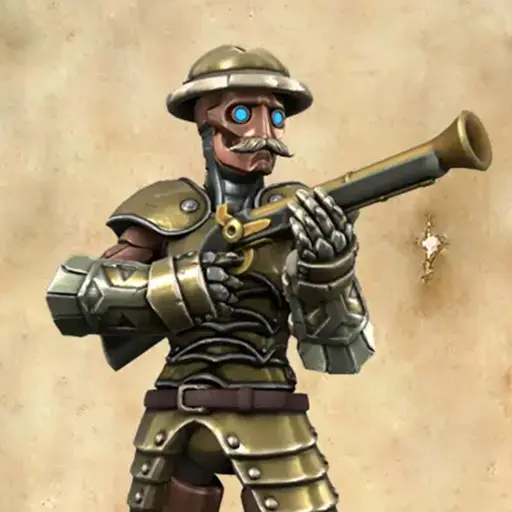
Automaton
Uncommon but present—mostly as ancient relics, servitor machines, or experimental sentient constructs from earlier eras. Most are non-sentient, but a few true automatons exist, usually in roles of maintenance, security, or as curiosities.
Social Role: Regarded as property or tools, not citizens. Sentient automatons must hide their true nature or risk deactivation/disassembly.
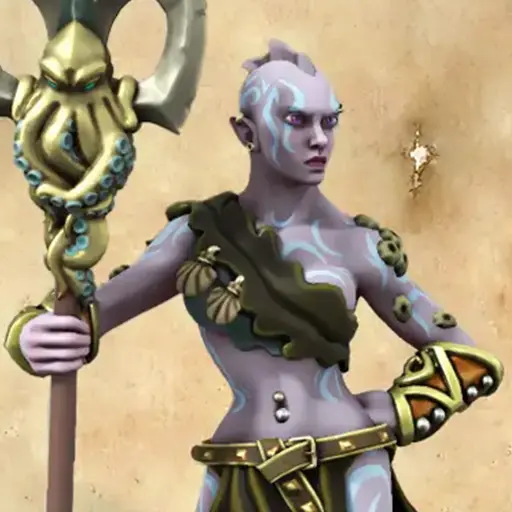
Azarketi
Absent. No native population, as Erebus lacks significant open water; any azarketi present would be extremely rare, likely vivisected by Vitatech for research.
Social Role: If encountered, would be a laboratory specimen or curiosity.
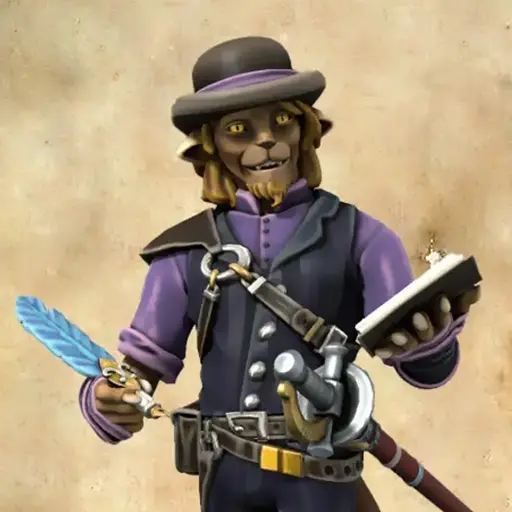
Catfolk
Very rare. Catfolk are not native to Erebus. A tiny number may exist as isolated migrants, but they find the environment and social climate inhospitable.
Social Role: Seen as exotic curiosities or smuggled outsiders, often forced to hide.
Rumored Ancestries on Erebus
While the dominant ancestries of Erebus are well-documented and tightly tracked by Astraea Corp, the planet’s vast underworld and history of reckless bioengineering have given rise to persistent rumors of stranger peoples lurking in the shadows. Most Erebians dismiss these tales as urban legends or cautionary tales—yet every miner, tunnel-runner, or black marketeer knows someone who claims to have seen something… else.
Hobgoblins
Said to be the result of early Vitatech attempts to engineer the perfect soldier, Erebus’s Hobgoblins are rumored to dwell in the deepest, most militarized sectors, or in long-abandoned security bunkers. Described as tall, disciplined, and coldly intelligent, these red- or iron-skinned beings are said to serve as Astraea’s secret enforcers or as leaders of mercenary bands in the penal sectors. Their existence is officially denied, but whispers abound of masked “commanders” who appear when order must be restored at any cost.
Ratfolk
The labyrinthine maintenance tunnels and waste corridors of Erebus are said to harbor the mysterious Ratfolk—small, quick-witted humanoids adapted to darkness and filth. Some claim they are the descendants of failed genetic experiments or runaway fleshwarps, while others say they simply evolved in the margins, thriving on what others discard. Ratfolk are blamed for blackouts, missing supplies, and the thriving black market in forbidden tech. They are rarely seen, but their intricate graffiti and elaborate traps are familiar warnings to anyone who strays too deep into the Underworks.
Vishkanya
Among the most unsettling rumors are those of the Vishkanya—enigmatic, venomous humanoids with exotic features and a reputation for subtlety and poison. Said to have been created as elite assassins or spies by Vitatech, Vishkanya are described as beautiful yet alien, with shimmering skin and hypnotic eyes. They are rumored to serve Astraea’s most secretive divisions or to work as freelance agents, plying their deadly trade in corporate intrigue. Most Erebians consider tales of the Vishkanya a warning: trust no one, and beware the silent touch.
In the shadows of Erebus, the line between myth, mutation, and manufactured terror is thin. Whether these rumored ancestries truly exist, or are simply ghost stories born of a world ruled by secrecy and fear, is a question few dare to ask.
Other races might be available. A player that wants to be a race that's not listed here must present a very strong case for playing that race, and they must write a background story that fits the setting of the campaign and explains their status as an exceptionally unusual character.